


Built Different: Part 1 - Fully Integrated Vertical Manufacturing System
|
|
Time to read 3 min

Cart
Your cart is empty
|
|
Time to read 3 min
I recently spent time with our partners at Toray International Inc. In 22 years of working with all the major fabric suppliers, it’s my view that Toray is one of the global leaders in performance fabric innovation.
This conversation proved no different. Our focus was on what truly separates Torain, the technology used in our Legacy Outerwear, and how to better explain it.
Topics Included:
Toray’s fully integrated vertical manufacturing system
Hydrolysis resistance
Waterproof membranes and the future of PFC free DWRs
Maximizing mechanical stretch without using elastic, lycra, or spandex
To keep this from becoming a dissertation, we decided to start a series and dig into one topic per post. Up first…
Part 1: Toray's Fully Integrated Vertical Manufacturing System
Torain is Toray’s premier fabric technology for winter sports, built entirely in-house from start to finish under meticulous supervision. From the fabric mill to the membrane, lamination, construction, stitching, and seam tape. Every step is tightly controlled and calibrated for precision. When it’s not right, they start over.
Most outdoor products are sourced and assembled across different suppliers and factories with varying standards, lower quality control, and components that were never designed to work together. Torain is a fully integrated vertical system, and that consistency shows up in performance.
Waterproof fabrics are built from multiple bonded layers. When those layers and their bonding aren’t designed to work together, they can become the point of failure. With Torain, every layer is engineered as part of a single system. The face fabric, membrane, backing, bonding, stitching, and seam tape are designed together, tested together, and produced start to finish by Toray International Inc.. No mixing and matching. No weak points. No variability between factories.
Each component is built to handle repeated exposure to moisture, sweat, and heat from hard use, maintaining its integrity far longer than conventional fabrics. Continued exposure to these elements from regular use degrades waterproof and breathable materials from the inside out and causes gear to lose its performance over time. This process is called hydrolysis. In Part 2 we will dive into how we test hydrolysis degradation, and you will see many of the standard fabrics in the industry fail due to hydrolysis after just 1.5 years, where Torain has reached 10+ years for the same test.
The level of control from a fully integrated vertical system means tighter tolerances, stronger bonds, and more reliable waterproofing and breathability in real conditions. It also means long-term durability. When every component is built to work together and resist breaking down, you reduce delamination, avoid early failure, and maintain performance season after season.
Products that have failed from hydrolysis cannot be efficiently recycled or upcycled (more on that later in the series). So, creating products that resist hydrolysis significantly longer keeps gear out of landfills and is a more sustainable approach.
It’s the difference between a product assembled for the short term, and one engineered to last.
Production takes longer and costs more, but you can feel the difference when you use it, and it will maintain performance longer. If we sold through traditional retail, the price would be significantly higher.
By selling direct, we avoid retail markups, enabling us to invest more into the quality and performance of the gear, partner with premier manufacturers like Toray, and tell them we want their absolute best.
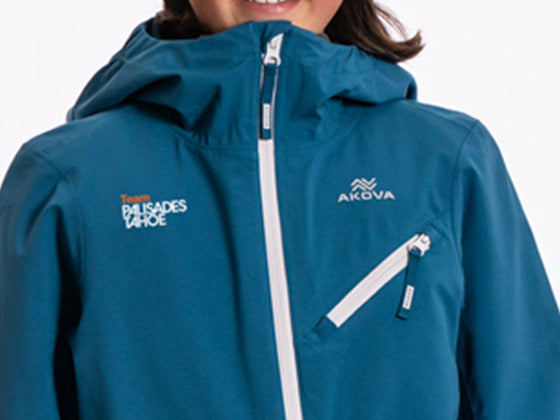
Experience the difference of a fully integrated vertical waterproof system (aka Torain) in our Legacy outerwear:
Legacy Collection Featuring Torain®
Summary
How Toray’s fully integrated vertical manufacturing system improves waterproof outerwear performance.
Why building waterproof membranes, face fabrics, seam tape, and lamination as a single system matters.
Understanding hydrolysis resistance in waterproof breathable fabrics.
How integrated shell construction reduces delamination and early waterproof failure.
Why longer-lasting waterproof gear is a more sustainable approach to technical outerwear.
The difference between short-term product assembly and long-term performance engineering.

